

Exploring Gaelic Heritage Across Ireland and Scotland
Ireland and Scotland are often seen as two separate destinations, each with its own landscapes, history, and cultural identity. Yet beneath the surface, they share deep Celtic connections. One of the most meaningful links between them is language.
The Gaelic languages of Ireland and Scotland are not simply old forms of speech. They are living connections to memory, place, identity, music, storytelling, and community. For travellers interested in heritage, exploring Gaelic culture across Ireland and Scotland offers a deeper way to understand both countries.
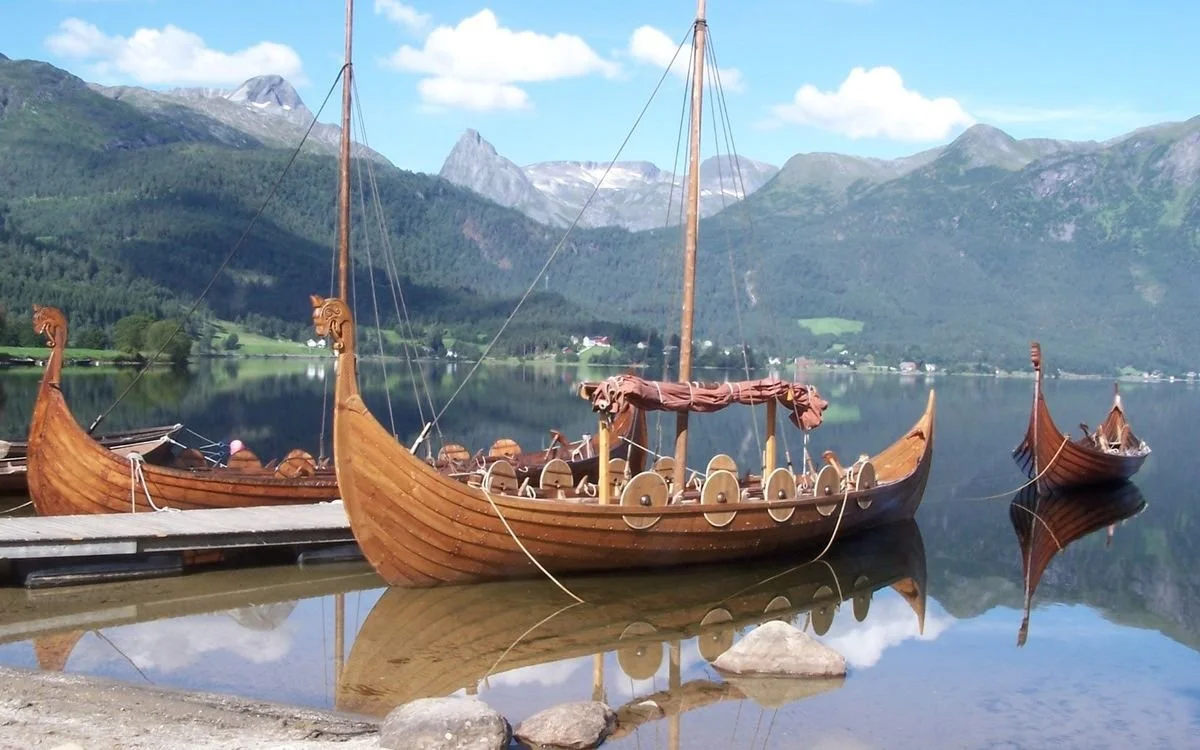
Viking Ireland: Exploring Waterford, Dublin, and Ireland’s Norse Heritage
When people think of Ireland, they often picture green landscapes, ancient monasteries, Celtic crosses, castles, and traditional music. But another important part of Ireland’s story comes from the Vikings.
From the late eighth century onwards, Norse raiders, traders, and settlers arrived on Irish shores. Over time, their presence helped shape some of Ireland’s most important towns and trading centres. Today, visitors can still explore this fascinating layer of history in places such as Waterford, Dublin, Limerick, Wexford, and Cork.
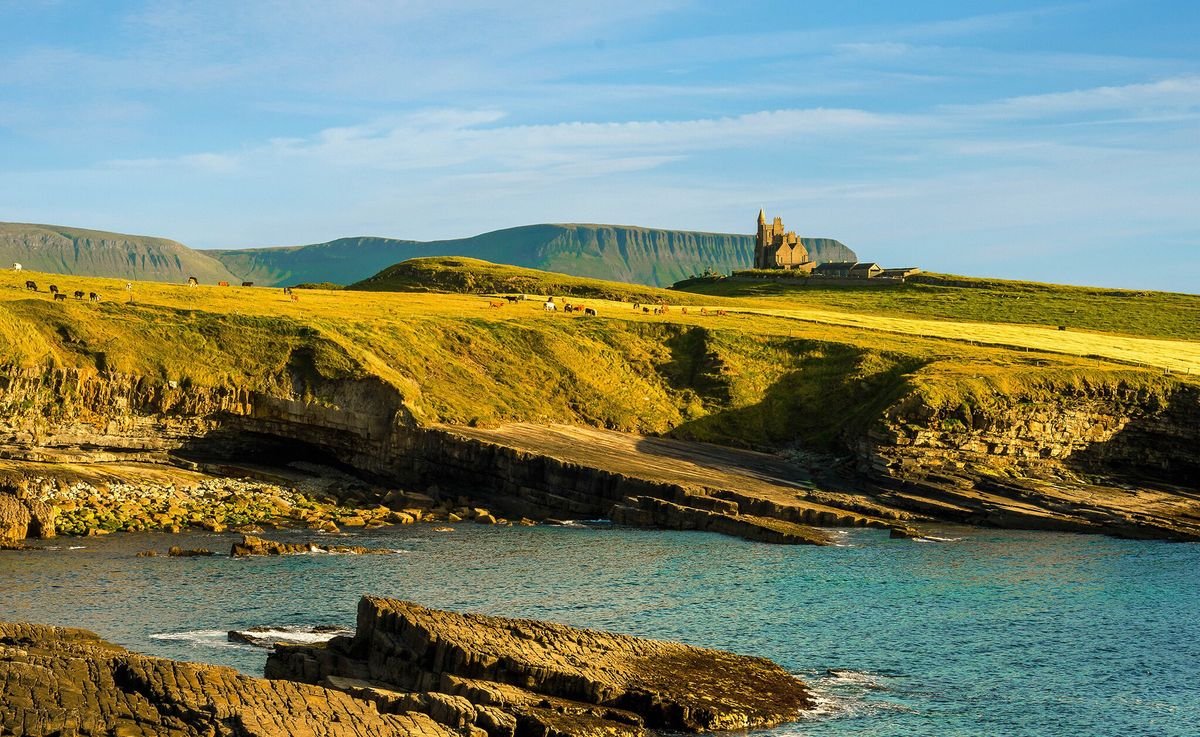
Benbulbin: Sligo’s Iconic Mountain and Scenic Heritage
Rising dramatically in County Sligo, its distinctive flat-topped shape makes it a striking landmark along the Wild Atlantic Way.
For travellers exploring Ireland’s west and north-west, Benbulbin is more than a scenic mountain. It is connected to folklore, literature, local identity, and the poetic landscape often associated with W.B. Yeats.
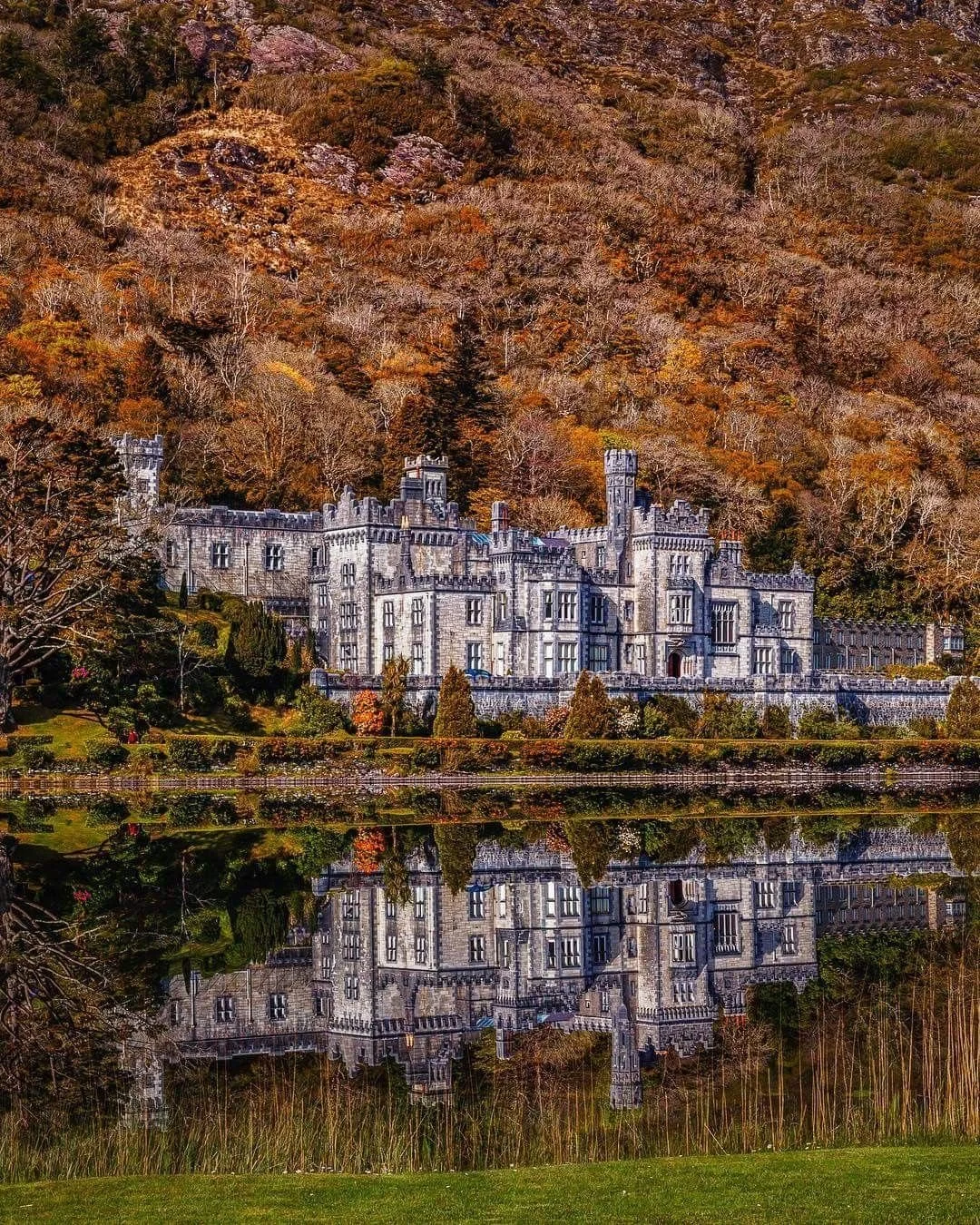
Kylemore Abbey and Victorian Walled Gardens: A Connemara Highlight
Kylemore Abbey is one of the most beautiful and memorable places to visit in Connemara. Set beside a lake and surrounded by mountains, woodland, and gardens, the abbey is a highlight for travellers exploring the west of Ireland.
With its dramatic setting and rich history, Kylemore Abbey offers more than a scenic photo opportunity. It is a place where architecture, love, loss, faith, education, and landscape come together.
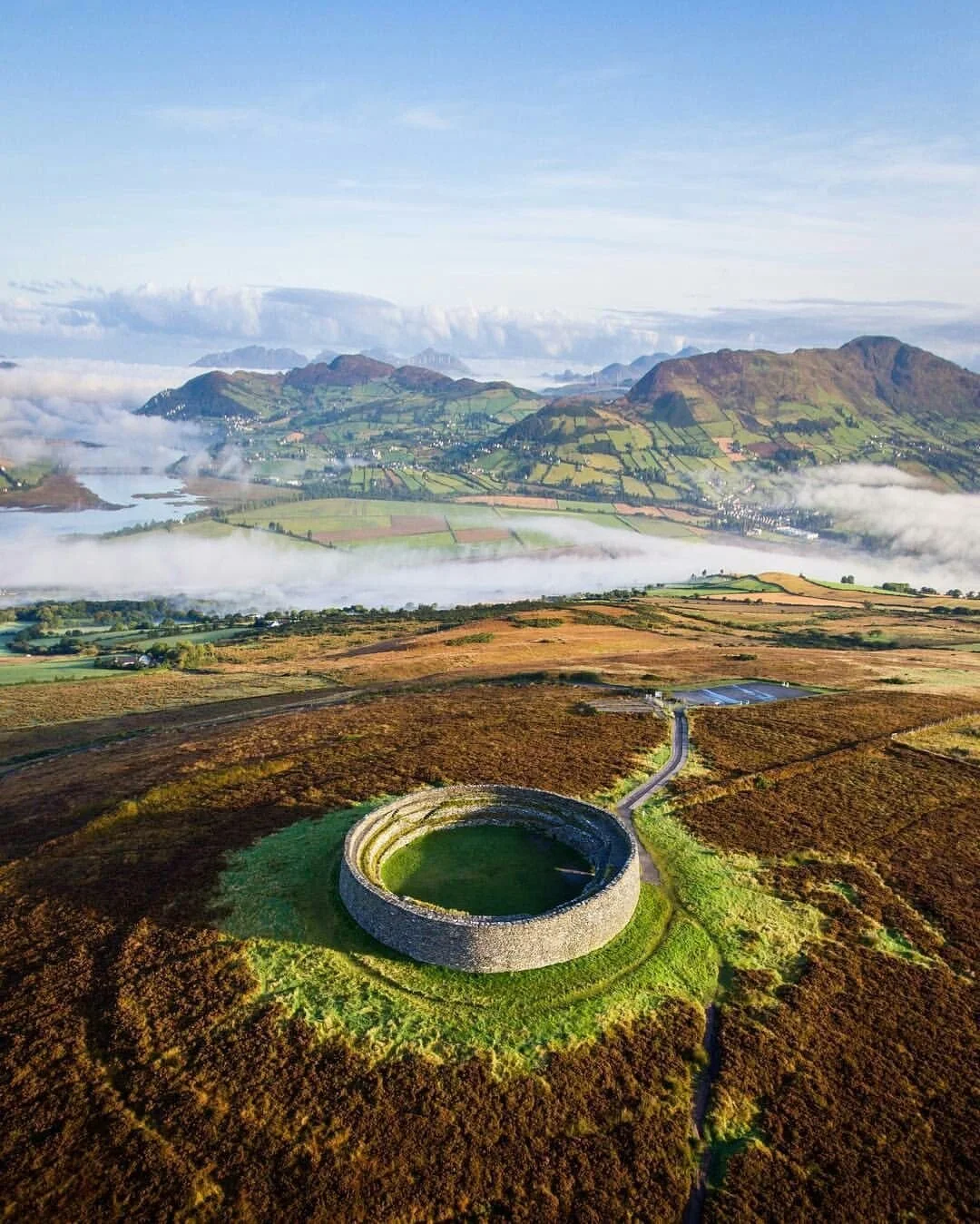
Grianán of Aileach: An Ancient Ring Fort with Sweeping Views
Grianán of Aileach is one of the most impressive ancient sites in the north-west of Ireland. Located in County Donegal, this circular stone ring fort stands high on a hill, offering sweeping views across the surrounding countryside, coastline, and distant mountains.
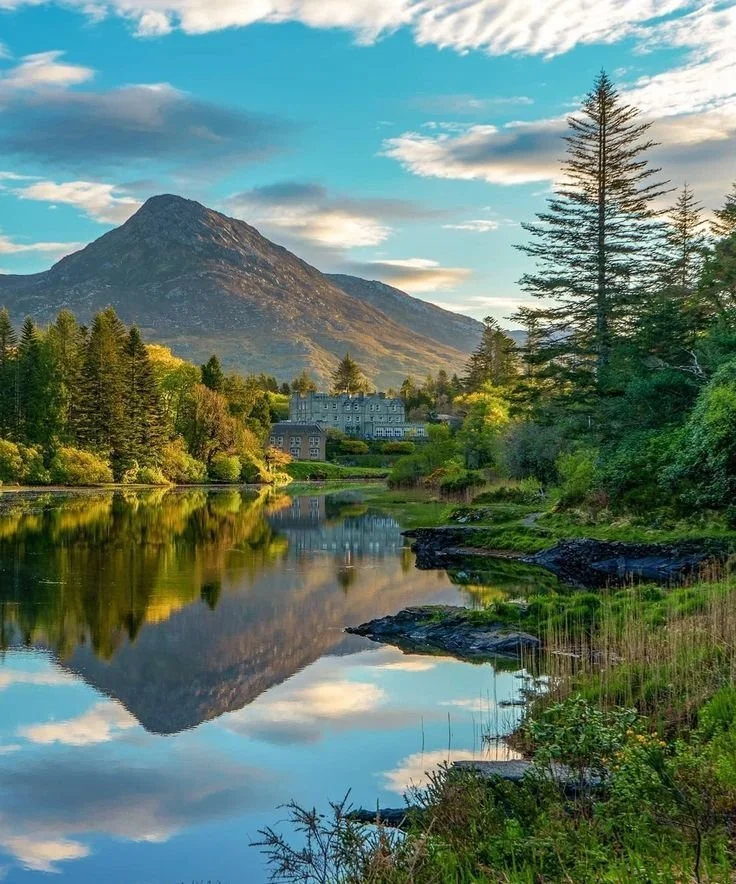
Connemara Travel Guide: Mountains, Lakes, Ponies, and Timeless Irish Heritages
Connemara is one of the most unforgettable landscapes in the west of Ireland. Located in County Galway, this region is known for its rugged mountains, quiet lakes, winding roads, stone walls, traditional villages, and wide Atlantic skies. For many travellers, Connemara feels like the Ireland they imagined before arriving: wild, poetic, peaceful, and deeply connected to place.
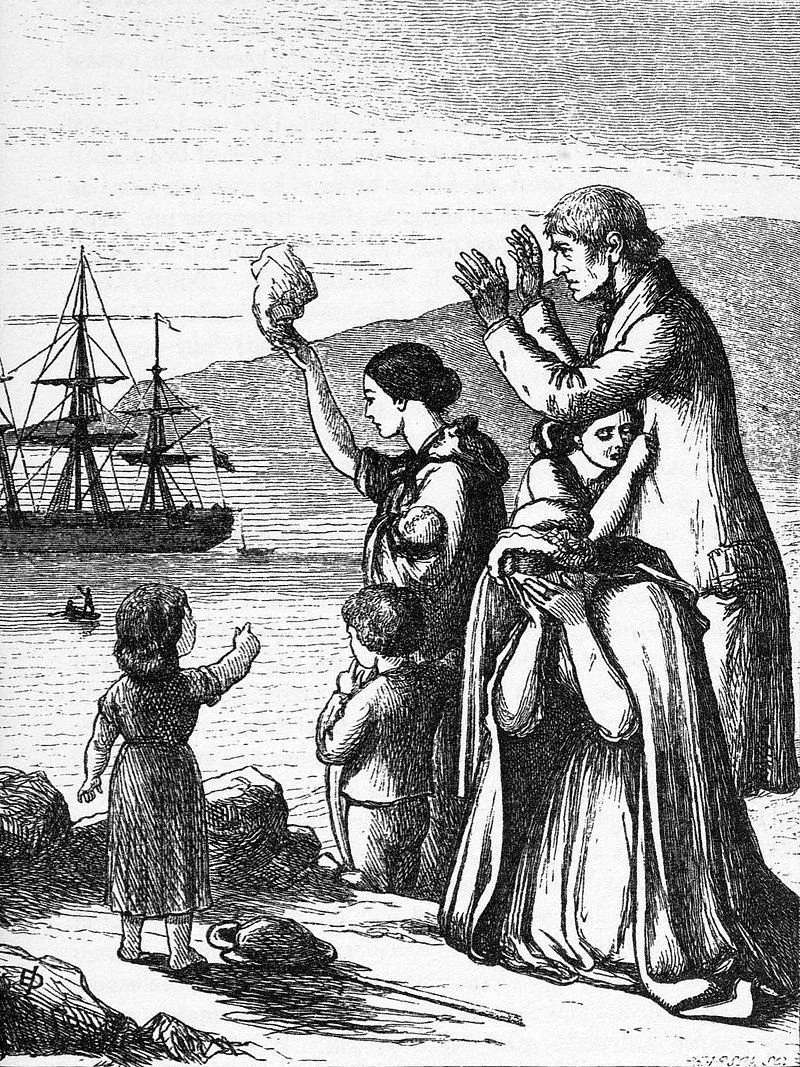
Understanding Ireland Through Its Famine Heritage Sites
For many travellers, Ireland is known for its green landscapes, music, villages, and warm hospitality. But to understand Ireland more deeply, it is also important to understand the difficult histories that shaped its people.
One of the most significant events in Irish history is the Great Famine, also known as the Irish Potato Famine. It was a period of hunger, loss, disease, and mass emigration that changed Ireland forever. For many families across the Irish diaspora, especially in countries such as Australia, America, Canada, and Britain, the Famine is not only national history. It is part of family memory.
This is why Famine heritage sites are important stops for travellers who want a more meaningful experience of Ireland.
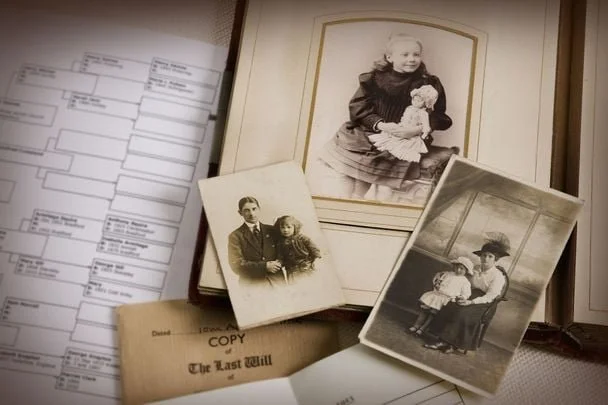
The 1926 Census: Turning Irish Family History into a Journey of Discovery
The release of the 1926 Census of Ireland is a major moment for anyone interested in Irish ancestry, family history, and heritage travel. Made available online by the National Archives of Ireland on 18 April 2026, the census gives people a rare opportunity to see Irish households as they were recorded exactly 100 years earlier.
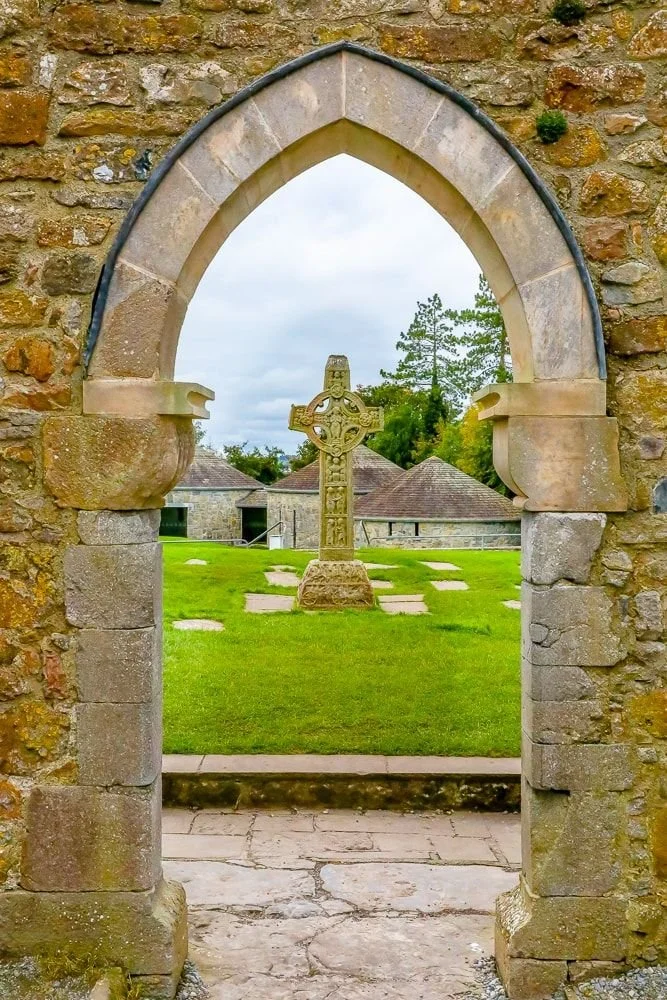
Clonmacnoise: A Powerful Stop on Ireland’s Spiritual Heritage Trail
Set beside the River Shannon, Clonmacnoise is one of Ireland’s most atmospheric early Christian sites. For travellers, it offers more than ruins or historic stonework. It creates a strong sense of stepping into the spiritual and cultural world of early Ireland.
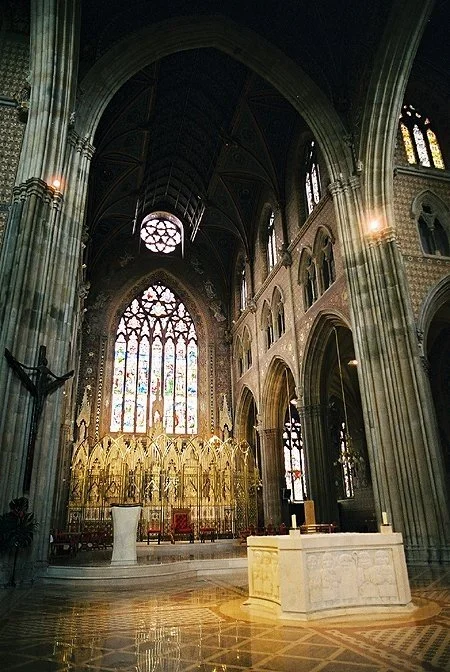
St Patrick in County Down and Armagh: A Journey into Ireland’s Spiritual Story
Few names are more closely connected with Ireland than St Patrick. Around the world, his name is linked with parades, green clothing, shamrocks, and celebration. But behind the familiar image of St Patrick’s Day is a much deeper and more human story, one that is strongly connected to County Down and Armagh.
For travellers, these places offer a chance to move beyond the symbol and understand the person behind the legacy.
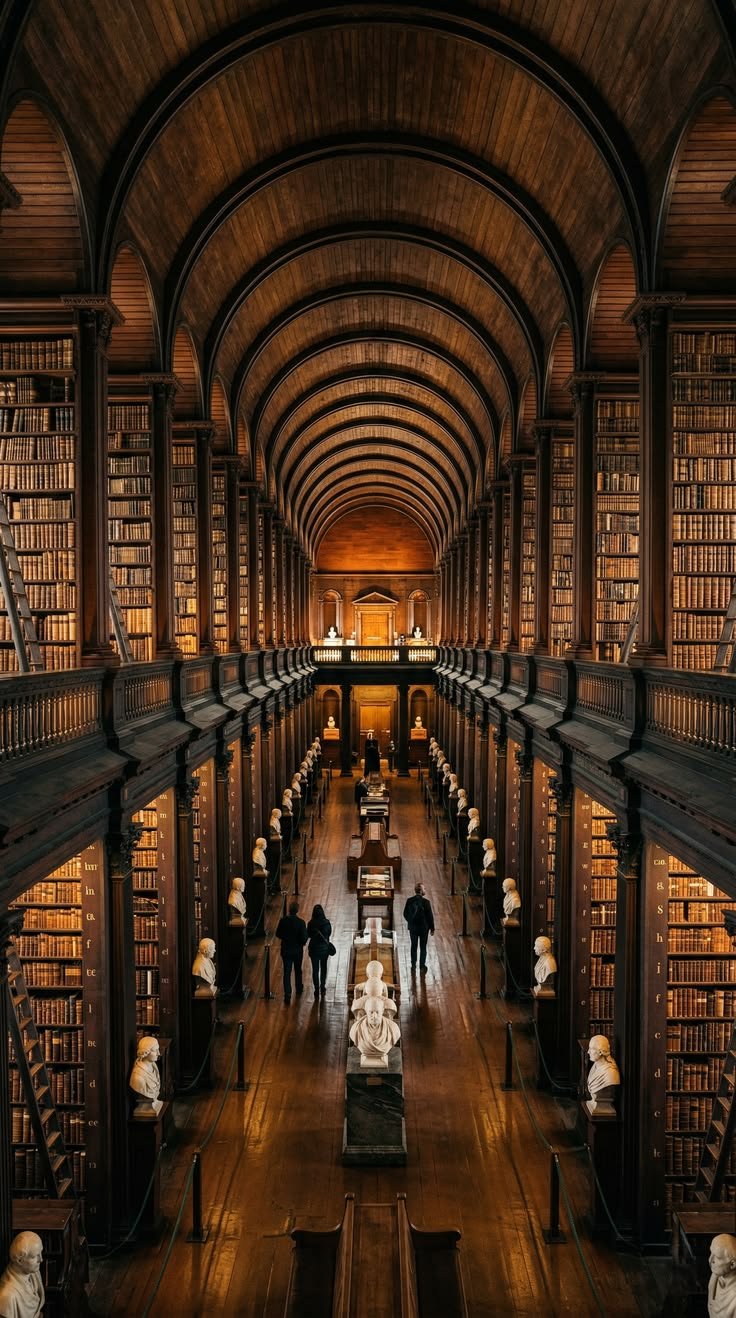
The Book of Kells: A Must-See Dublin Heritage Experience
Few places in Dublin offer a connection to Irish heritage quite like Trinity College and the Book of Kells. For many travellers, seeing the manuscript is one of the most memorable cultural experiences in Ireland.
Created more than 1,200 years ago by Celtic monks, the Book of Kells is one of Ireland’s greatest treasures. It contains the four Gospels of the New Testament, but its importance goes far beyond the text. What makes it so extraordinary is the detail of its artwork: colourful patterns, Celtic knots, symbolic animals, and biblical scenes created with remarkable patience and skill.
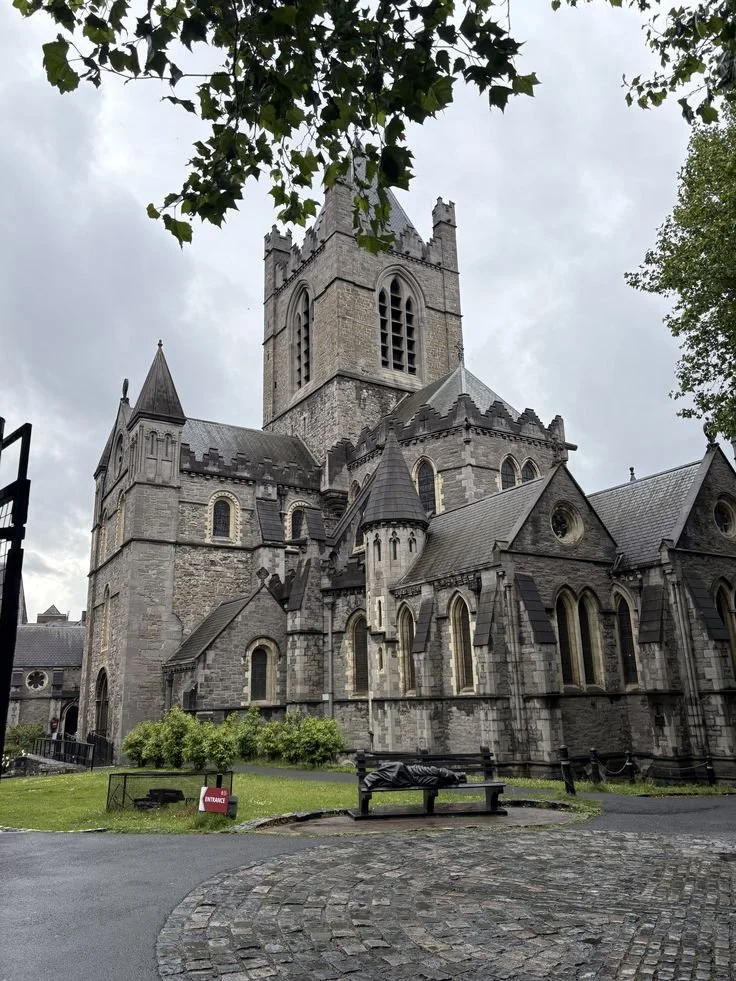
The Homeless Jesus and Christ Church Cathedral: A Powerful Stop in Dublin
Dublin is full of historic churches and beautiful architecture, but some of its most meaningful experiences come from the contrast between old tradition and present-day reflection. The Homeless Jesus sculpture and Christ Church Cathedral offer exactly that.
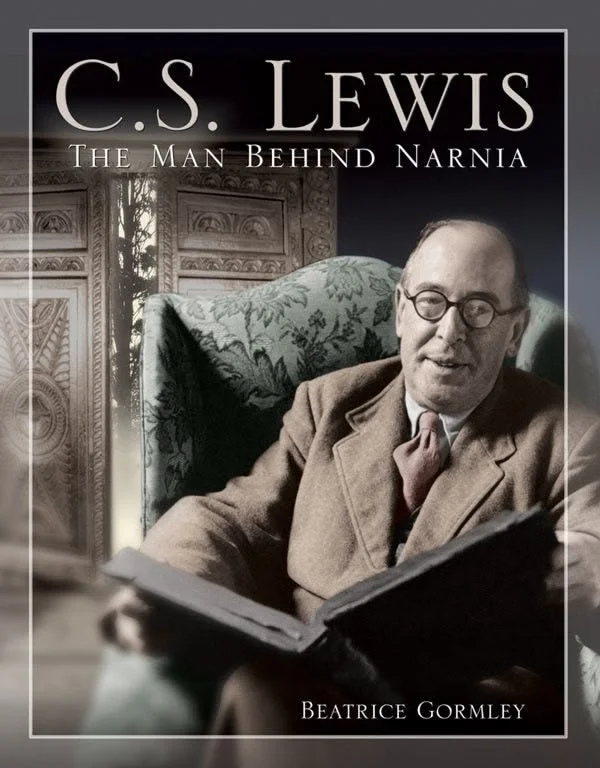
C.S. Lewis: Walking Through the World That Inspired Narnia
For many travellers, visiting Ireland is not only about landscapes or history. It is also about stepping into the stories that have shaped imagination across generations. Few writers capture this better than C.S. Lewis.
Best known as the author of The Chronicles of Narnia, Lewis created one of the most loved fantasy worlds in literature. Yet what many visitors find surprising is how deeply Ireland shaped his imagination.
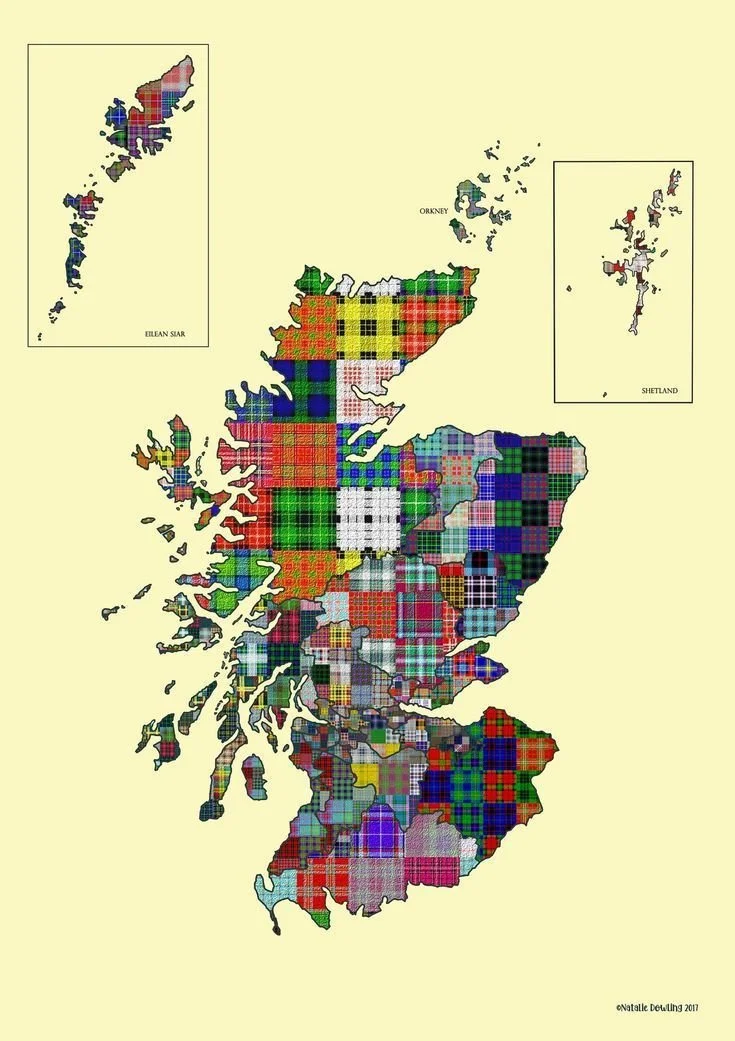
Scottish Clans: Discovering Identity, Belonging, and Highland Heritage
To understand Scotland more deeply, it helps to understand the clans. For travellers, Scottish clans offer a powerful way to connect with the country’s landscapes, castles, traditions, and family stories.
For centuries, clans were at the heart of life in the Scottish Highlands. They were more than family groups. A clan gave people identity, protection, and a sense of belonging. The word clan comes from the Gaelic word clann, meaning children or family, but clan life was not only about bloodlines. It was also about loyalty, shared land, and community.

Scotland and Ireland: Exploring Two Celtic Stories of Resistance
Scotland and Ireland are often seen as two separate countries, but their histories are deeply connected. For travellers interested in Celtic heritage, these connections reveal a powerful story of resistance, identity, movement, and cultural survival.
Both Scotland and Ireland experienced long periods of English expansion and control. These histories created strong traditions of resistance and shaped the way both nations understood identity and independence.
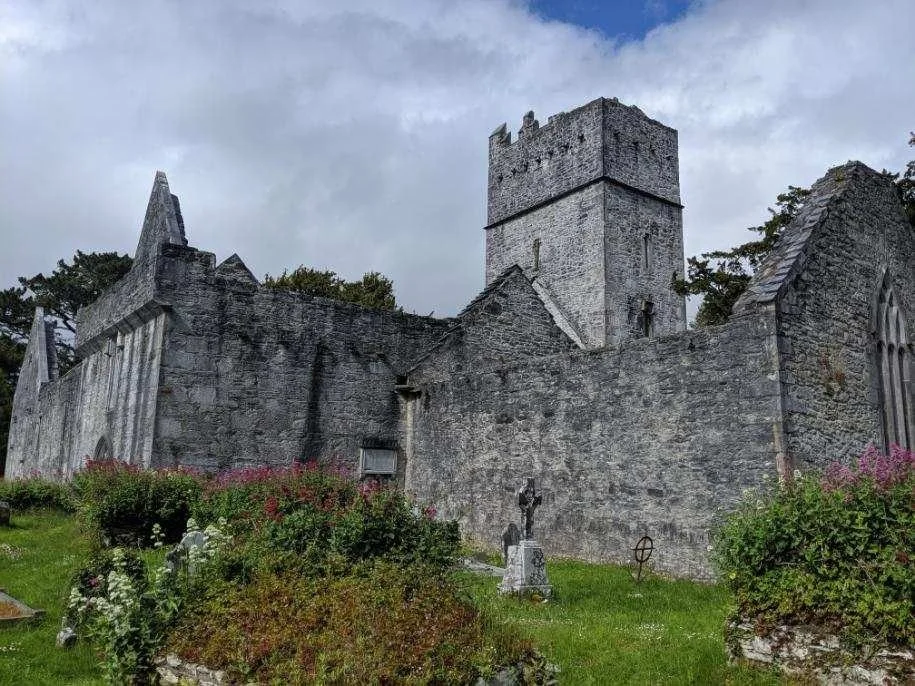
Visiting Ballintubber Abbey on a Meaningful Heritage Journey
Ballintubber is one of those places that brings a different kind of depth to a journey through Ireland. In County Mayo, it offers not only history, but also a sense of reflection and continuity that many travellers find especially memorable.
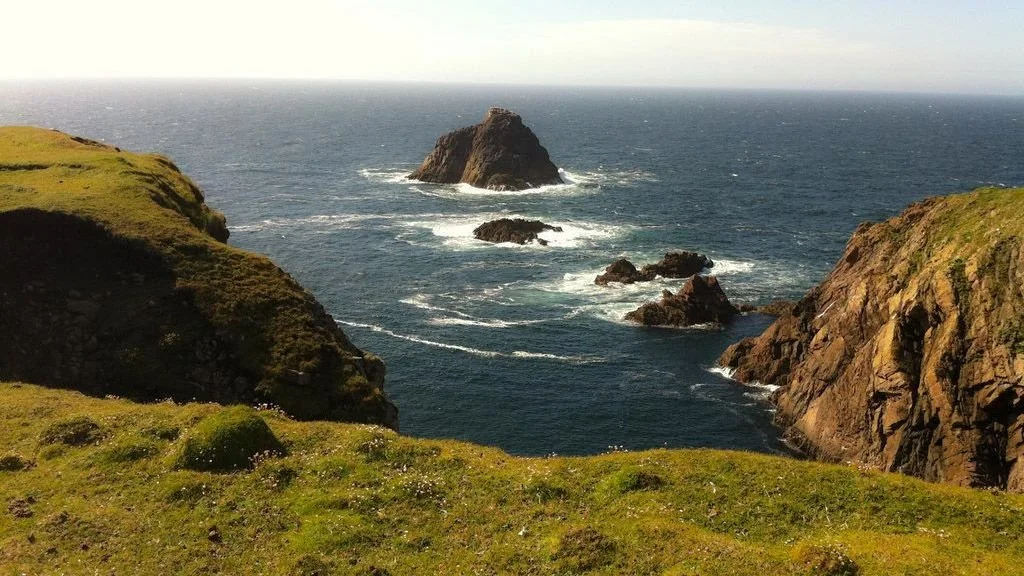
Glenmask and the Quiet Beauty of Rural Mayo
Not every meaningful place in Ireland is marked by a famous landmark. Some of the strongest connections are found in the quieter parts of the country, where the landscape, the stillness, and the sense of everyday life leave a lasting impression. Glenmask in County Mayo is one such place.
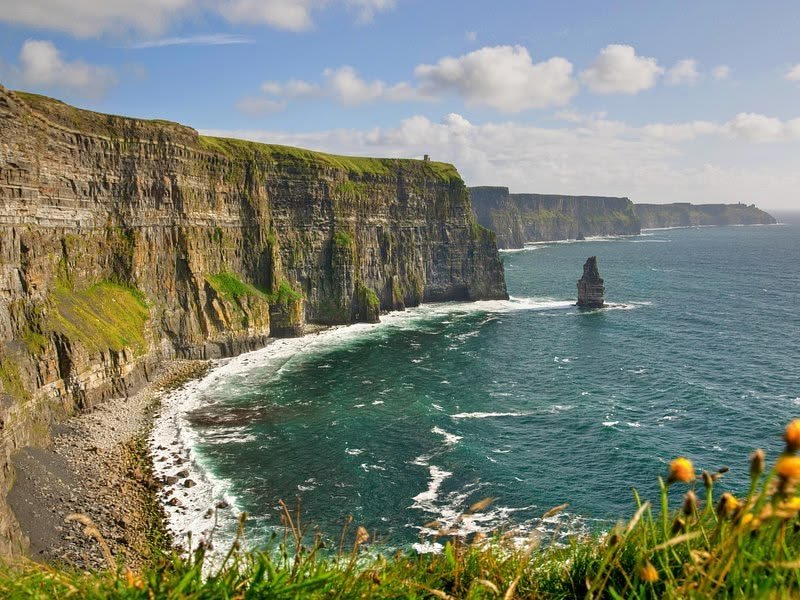
Visiting the Cliffs of Moher on a Heritage Journey Through Ireland
The Cliffs of Moher are one of those places that leave a lasting impression. Rising above the Atlantic in County Clare, they combine scale, drama, and atmosphere in a way that feels unmistakably Irish.
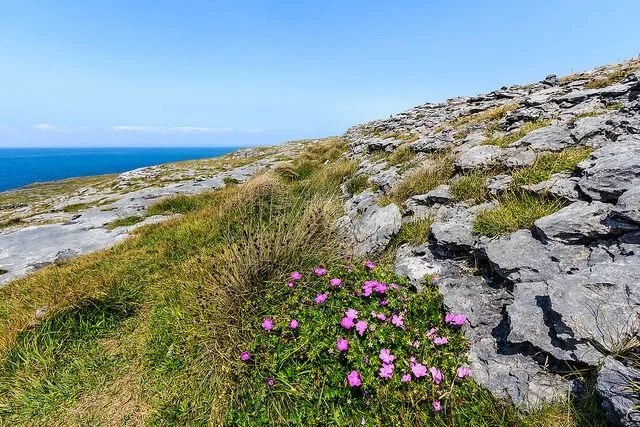
Why the Burren Is One of Ireland’s Most Memorable Scenic Stops
The Burren is unlike almost anywhere else in Ireland. Its wide limestone landscape immediately stands out, offering visitors something unexpected and unforgettable as they travel through County Clare.
For many travellers, the Burren feels different from the moment they arrive. It is open, striking, and full of quiet character. The terrain gives the region a distinctive atmosphere, and that makes it one of the most interesting scenic stops on a heritage journey through western Ireland.
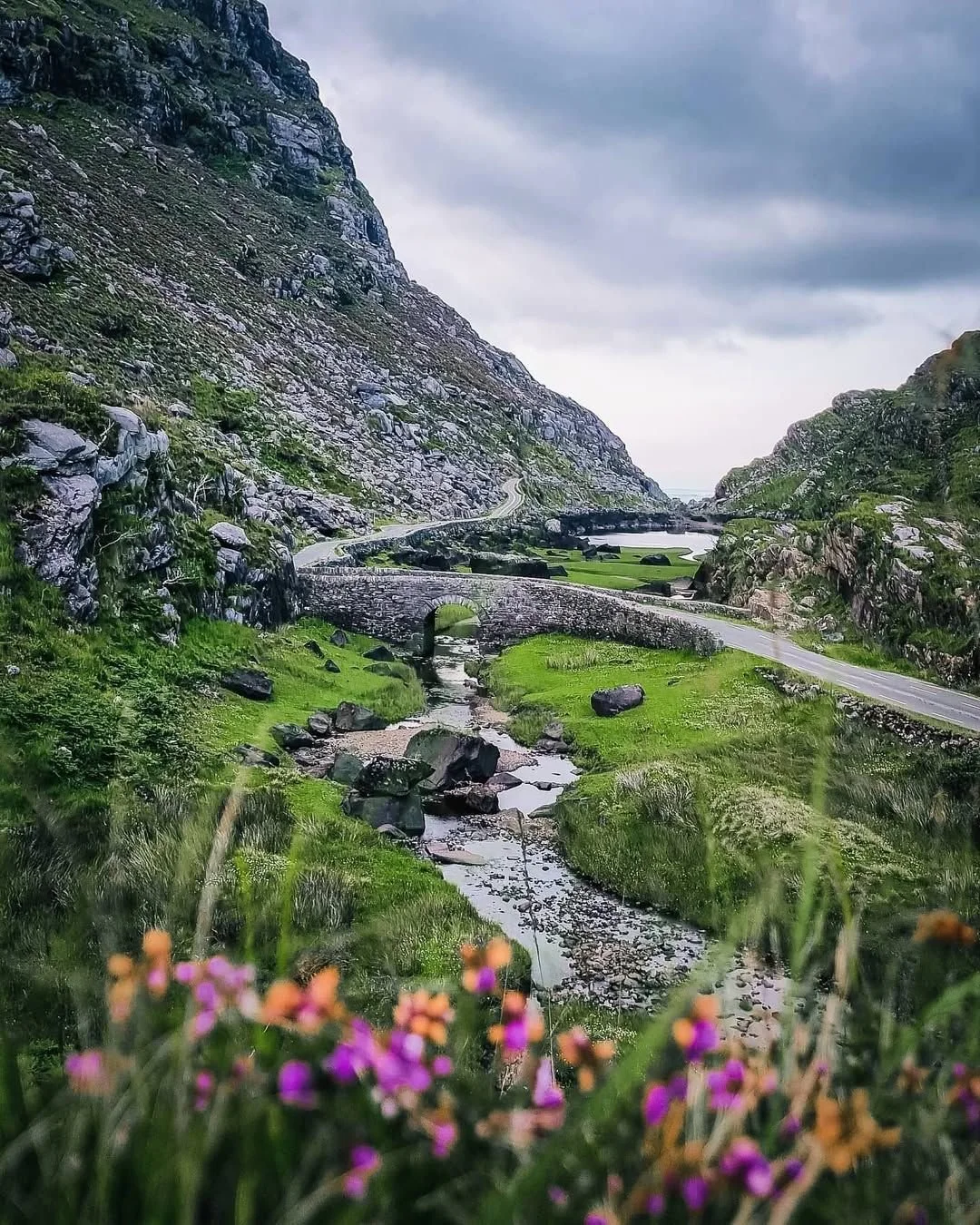
Discover the Ring of Kerry on a Meaningful Journey Through County Kerry
The Ring of Kerry is one of Ireland’s best-known routes, and it is easy to see why. Travelling through County Kerry brings together mountains, coastline, open countryside, and villages in a way that feels unforgettable from the first moment.